


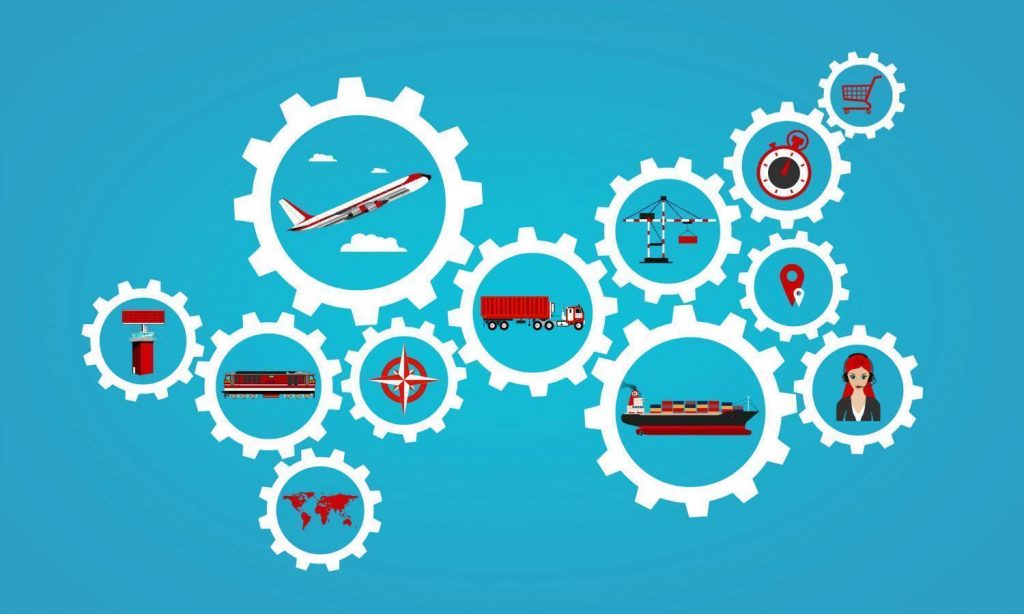
The Internet of Things is rapidly disrupting many industries and areas of business, including supply chains, ranging from smart warehousing to asset tracking and fleet management. These three ways are disrupting supply chains across the globe:
1. Smart Warehousing
The future of warehousing lies in the smart warehouse. Similar in concept to the modern smart home, these facilities often include features like time-controlled lighting, automated thermostats and industrial robotics “ all of which are connectable via the IoT.
But smart warehousing goes beyond the basic needs of a residential structure. With such high levels of automation, smart warehouses are almost entirely self-sufficient. This has raised concern amongst some general labourers, as their fears of being replaced by robotic workers are seemingly coming true.
Proponents of industrial automation and general IT are more optimistic. By taking that stance that job site robots will work alongside their human counterparts, it’s easy to see how increasing the amount of industrial automation can be a good move for companies in the long run.
2. Asset Tracking
Many of the recent breakthroughs in asset tracking focus on global positioning satellite (GPS) systems and radio frequency identification (RFID) technology. While the former is ideal when tracking materials, goods or other merchandise, the latter is useful when tracking parts and components throughout the warehouse or manufacturing facility.
RFID technology benefits the smart warehouse and modern businesses in numerous ways, including:
- Improved inventory control. RFID tags and sensors let you monitor stock levels more closely than before, Not only does this give you the opportunity to order new supplies and materials ahead of time, but it helps you avoid unnecessary or duplicate orders.
- Reduced asset loss. RFID technology can give you an early warning about any defective parts or production bottlenecks, which lets you rectify the issue immediately and prevent the unnecessary loss of assets.
- Greater consumer insight. With so much emphasis on the collection and processing of consumer data, some manufacturers embed RFID tags directly into their new products. This lets manufacturers review shopping trends and, in some cases, personal spending habits and preferences.
With so much emphasis placed on asset tracking and inventory control, it makes sense to connect these systems “ along with the parts or products you manufacture “ to the IoT. Apart from providing a centralised point of control, this move will help solidify your presence as a forward-thinking and innovative leader in the industry.
3. Fleet Management
The IoT will revolutionise the standards and practices of fleet management, too. Larger companies and enterprises will naturally see a bigger benefit in this area than smaller ones “ the scale of operations simply calls for more resources in shipping and delivery services.
But smaller businesses can use the IoT to manage the vehicles they do have to maximize fuel efficiency, locate shorter travel routes and make the roadways safer for all.
According to Business Insider, connected cars and vehicles will generate nearly 300,000 Exabytes of data by 2020. Considering that 1 Exabyte equals 1 billion Gigabytes, there’s a significant amount of information to collect, process and analyse.
Making the Most of the IoT
Despite vast technological breakthroughs in the past few years, the IoT is still in its infancy. Company owners can capitalise on this by familiarising themselves with the platform as soon as possible. Not only will your newfound knowledge give you an edge over your competition, but the IoT might be the solution you need to jumpstart your business.