





All of this has impacted how companies operate when it comes to incorporating new technology and adjusting to market needs. They are increasing budgets for SaaS on a yearly basis, rapidly changing their SaaS stacks that now count anywhere from dozens to hundreds of tools.
Let’s put the money factor aside for a moment and leave the discussion of whether or not all that SaaS is delivering the expected ROI for another time. Let’s focus on an issue that, in the long run, can cost far more than the biggest budget out there: the security of a company‘s data.
Lack of control
Due to the explosion of SaaS, companies are having a tough time tracking how much money they spend on software, as well as how much they actually use it. As a result, we are seeing more of unused, duplicate, and orphaned SaaS solutions, whose management presents a huge blind spot, and therefore a huge danger for organizations worldwide. While access everywhere increases convenience, it also increases the risk of unauthorized access to endpoints.
Simply put, everyone ranging from midsized companies to enterprises lacks the proverbial equipment to handle this level of SaaS proliferation from a security standpoint.
For starters, there is an underlying governance issue. Distributed responsibility has played a significant part in the pace of implementation of SaaS within an organization, where departmental leaders have a key role. In addition, SaaS vendors have made it fairly easy for all types of users (even those with limited technological expertise) to get their solutions up and running, resulting in multiple license owners across an organization.
As a direct byproduct, companies lack an overview of usage. Due to outdated management processes, there are more and more cases where owners simply change companies or get fired but still end up with access to the software. Just a few years ago, such scenarios would be unheard of, but today, these orphaned apps are frequent and very real challenges that expose a company’s sensitive data.
While these apps can cost quite a bit when summed up, the security and privacy risks they cause are arguably much greater.
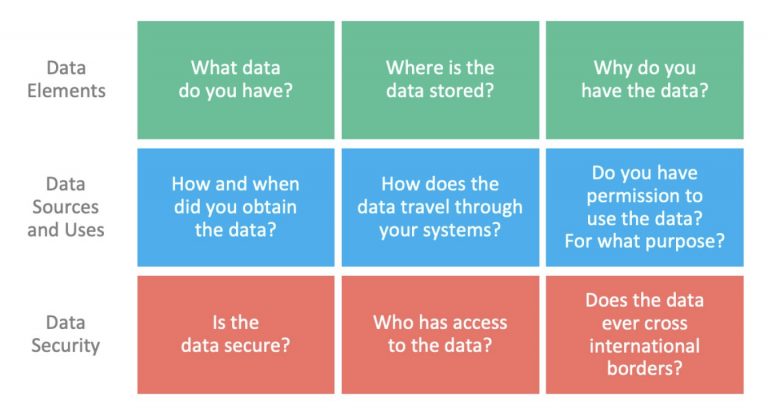

The dire truth is that every SaaS is an opportunity for hackers to steal data or breach services and servers. Any software product, big or small, that the company is not using is not only complicating internal data management but also sending an invitation for malicious actors to come.
To top it all off, in a world where GDPRs and CCPAs are becoming staples, having SaaS apps just lying around without any meaningful purpose creates an uphill challenge to maintain regulatory compliance.
Better management through better visibility
This absence of organization-wide stability makes it near impossible to centralize visibility across the entire ecosystem or even consistently apply security policies and practices. Knowing how to secure your data begins with a certain level of awareness: what you have stored and where you have it stored. Control over the growing SaaS stack is painfully difficult unless you have a way of knowing which SaaS apps have been granted access to which databases, who are the owners, how much they are being used, and so on.
In a nutshell, you need a comprehensive and holistic view of what is happening at any given moment. That is why SOM (software operations management) solutions such as Torii are critical for modern IT governance: they encompass all other SaaS and effectively eliminate all the IT and admin challenges described above.
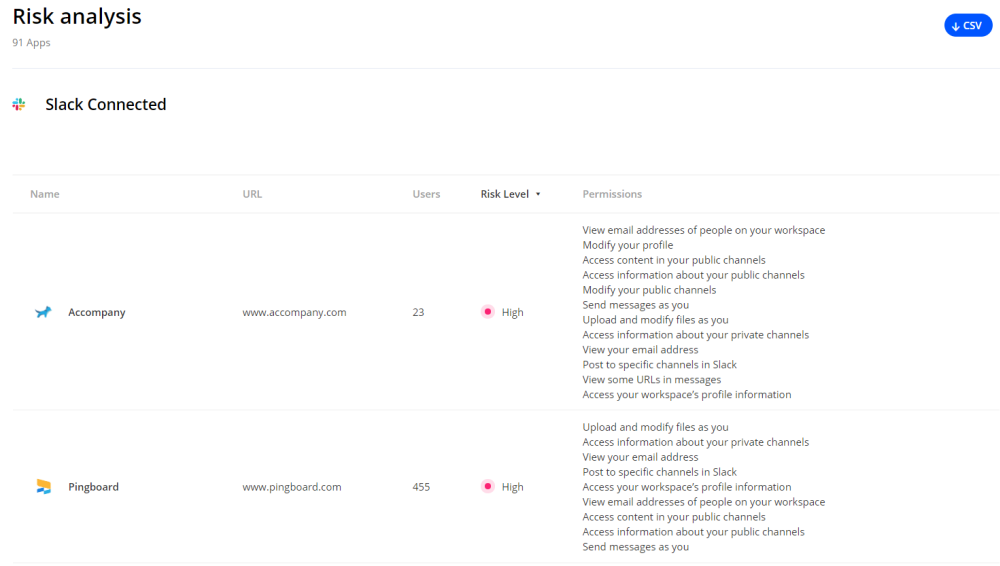

Having a uniform services platform allows you to maintain security and compliance by gaining full visibility into every single SaaS app used in the company, offering a real-time birds-eye view of all the users, apps, and their relationships within the company. Armed with these insights, IT managers can minimize costs and optimize SaaS usage by pinpointing which subscriptions are no longer needed both on a company- and team-wide basis.
Another major strength of these platforms is their automation of IT tasks and workflows on a daily basis as one of the leading factors of digital transformation in enterprises. From software recommendations to automatic onboarding/offboarding and license management (and a number of things in between), IT can focus on company-wide initiatives and operations, all the while feeling empowered to have the best SaaS solution to achieve those goals.
Changing your mindset is the key
Businesses across the world have fully embraced the productivity and collaboration capabilities SaaS offers, completely transforming the way people work. However, it’s safe to say that management processes have not caught up with the multi-cloud environment. From a security aspect, ensuring that areas of weakness and risk such as visibility, compliance, and data privacy and security are properly addressed is critical.
For that to happen, IT managers need to realize there are solutions that both provide a comprehensive view and take action on the potential threat. With a growing SaaS stack that quickly changes, there is a great opportunity to help run an organization efficiently with better visibility and more consistency when it comes to numerous subscription services in use today. If you’re not pouncing on this opportunity, then you’re likely not doing a good job.