


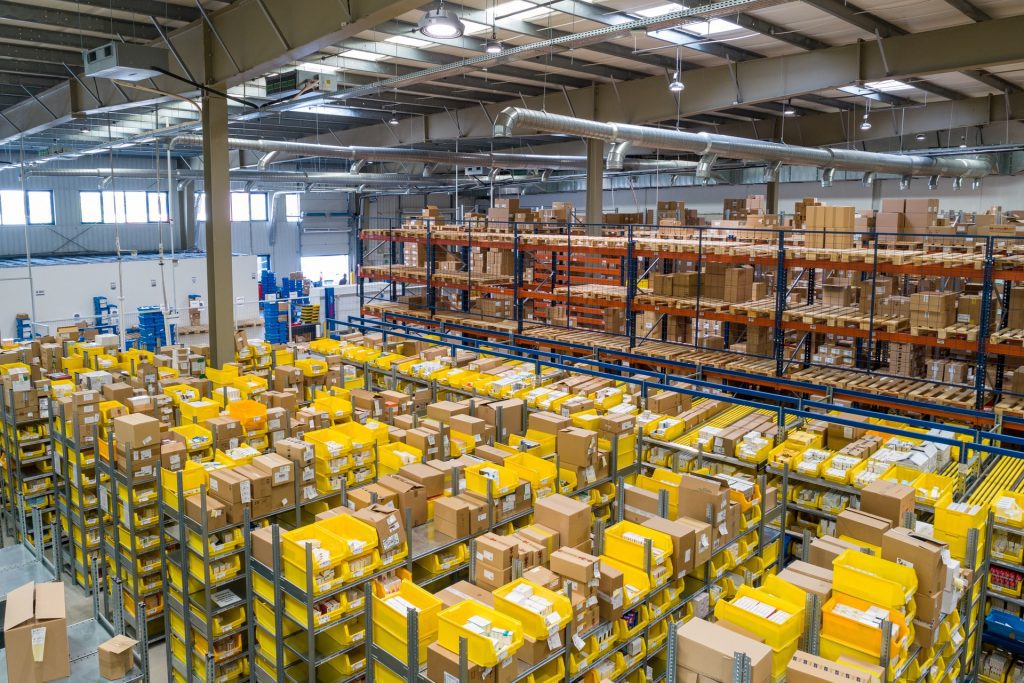
The rise of Industry 4.0 has led to a new wave of sophisticated warehouse automation technology. This tech includes automated storage and retrieval systems (AS/RS), robotics, internet-connected sensors and complex warehouse management systems.
These systems can be a powerful tool for warehouse owners who need to streamline existing workflows. However, not every facility may need these tools. There’s a lot to consider before spending money on this technology.
This is how to determine if your operation needs to invest in warehouse automation technology.
Key Benefits of Warehouse Automation
The advantages of warehouse automation depend on which technologies are adopted and how extensively you invest. For example, automated storage and retrieval systems make the storage and picking process more efficient, allowing you to shift workers to other tasks.
Automated mobile robots (AMRs) can be used for many different purposes, including inventory monitoring, transporting heavy goods or pallets, and goods-to-person picking. Like AS/RS systems, they can help warehouse managers streamline existing workflows and shift staff to different tasks.
The most significant benefit of these systems is improved productivity. Automated systems are typically more efficient and consistent than warehouse workers alone and help you optimize operations and save money.
The consistency of warehouse robots may also help you reduce accidents. They can handle tasks that are tedious or repetitious, reducing or preventing musculoskeletal injuries.
This optimization can also help you reduce waste and make a warehouse more sustainable. Automated material handling systems allow you to take full advantage of space that would have otherwise gone unused. They can transport goods from high shelves, enabling workers to access them without special equipment.
Data from warehouse automation systems, like a fleet of industrial IoT sensors, can be useful in business decision-making. For example, real-time information may help you uncover inefficiencies in a warehouse’s racking layout, allowing you to optimize warehouse traffic flows and streamline the picking process.
Certain popular warehouse automation solutions, like the blockchain, can also improve the traceability of goods and overall supply chain visibility.
Drawbacks and Important Considerations
The most significant drawback of any automated system is the initial capital investment needed. Modern warehouse technology isn’t cheap, and while the productivity improvements these systems offer pay off over time, you’ll likely need to be prepared for significant installation expenses.
Some automated systems are more flexible than others. It may be possible to swap out individual sensors in an IoT fleet with those that track different information or provide more effective monitoring.
At the same time, a costly robot arm that’s fixed at one location in a warehouse may be difficult to move or use for other tasks.
Automation training will be necessary, and not all systems will integrate easily into existing workflows. A phase-in period, where both managers and workers learn how to operate the new system and determine what needs to be changed, may help smooth out the adoption process.
Automated systems also need regular maintenance and can require technicians with special skill sets. Some of them may also create new security risks. Industrial IoT devices may make a warehouse more vulnerable to cyberattacks and similar digital threats.
Automated system failures can also significantly disrupt a warehouse’s normal operations. Work may slow down or even stop if something is knocked offline by machine breakdowns.
When to Invest in Warehouse Automation Solutions
New warehouse automation technology offers major benefits for owners including improved efficiency that may help managers handle a growing labor gap. The cost of adopting this technology can be steep, but businesses that are willing to commit to the investment should make the investment.